Picking the wrong embroidery machine for patches means redoing thread paths, re-hooping mid-run, or discovering your file format won't load. This guide ranks five machines by who actually buys them, not by spec-sheet size.
Best overall: Ricoma EM-1010. Best for beginners: Brother PE800. Best for high-volume shops: Tajima TMEZ. Best for multi-needle appliqué patches: Janome MB-7. Best for professional digitizers who want single-head speed: Melco EMT16X.
- Ricoma EM-1010 is the best embroidery machine for patches for small business production runs in 2026.
- Brother PE800 fits hobbyists testing patch designs before scaling to commercial orders.
- Tajima TMEZ multi-head systems handle high-volume patch orders fastest.
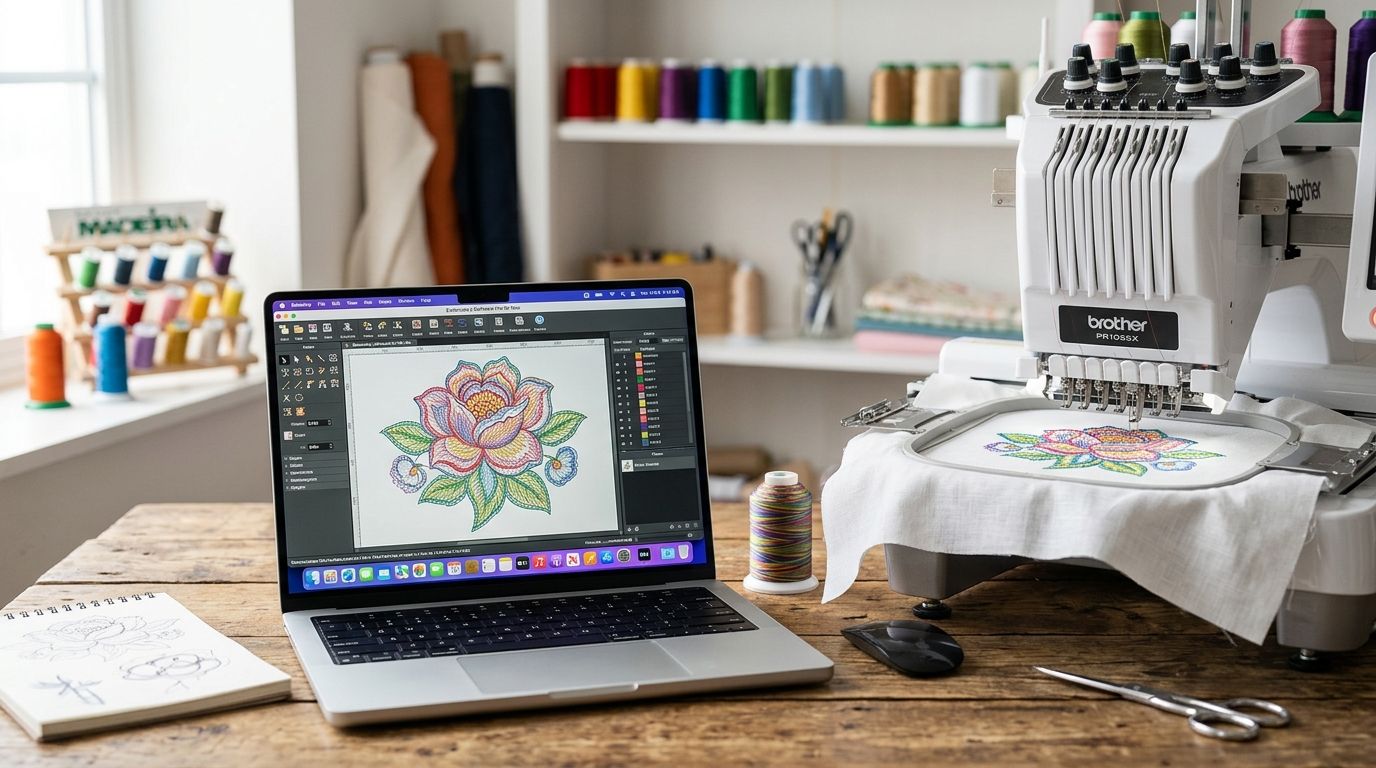
- Every machine on this list still needs a properly digitized stitch file before it sews anything.
- Janome MB-7's 7 needles cut thread-change time on multi-color patch designs.
Why this matters
A machine only sews what the stitch file tells it to sew. Buy the wrong machine for your patch volume and you either bottleneck a small shop or overpay for capacity you'll never use in 2026.
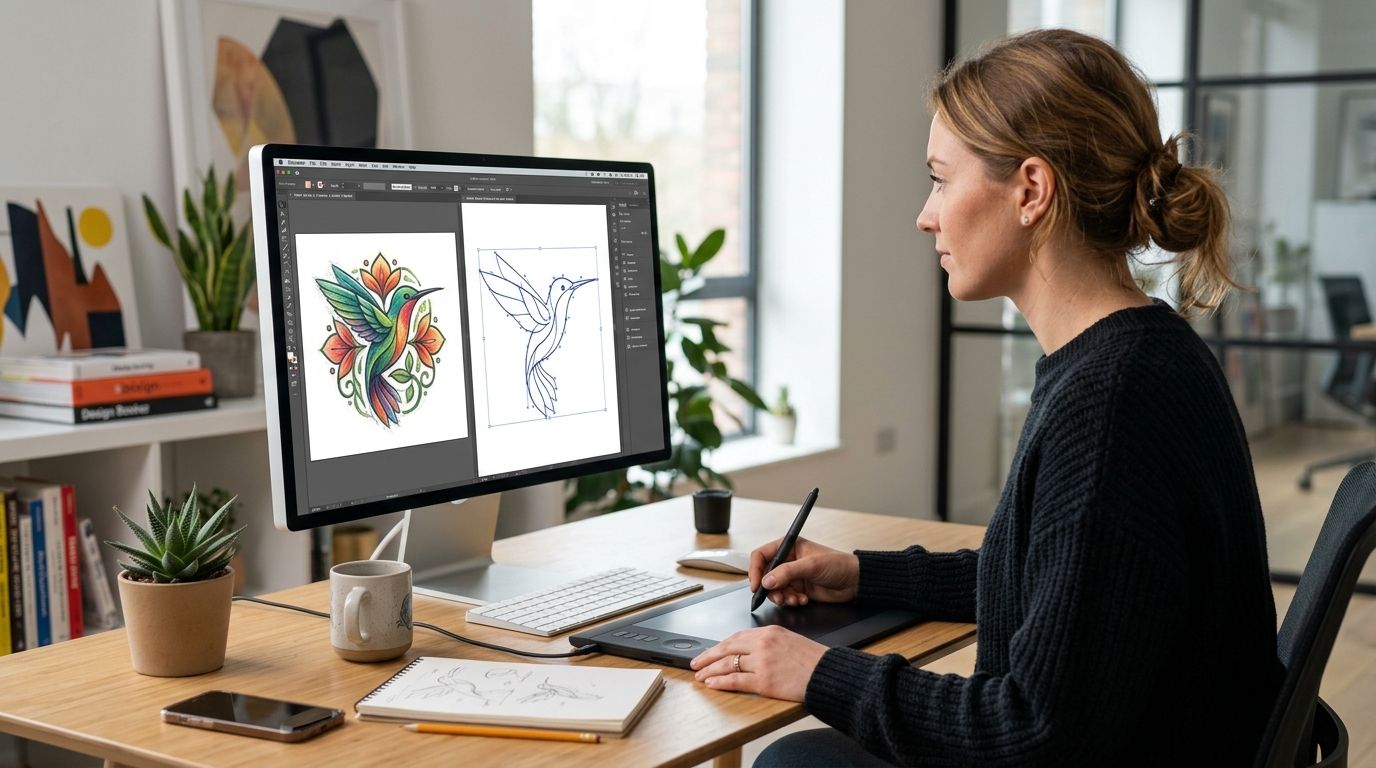
Most patch orders fail before they reach the hoop, not because of the machine but because the artwork was never converted into a stitch file that matches the machine's needle count and format. Cheap machines and bad files produce the same result: crooked borders and puckered fabric.
Commercial and industrial machines also expect DST, EXP or PES files depending on the brand's software. Confirm your digitizer delivers the right format before you commit to a machine, not after.
What makes the best embroidery machine for patches
- Needle count — more needles mean fewer manual thread changes on multi-color patch designs
- Hoop size — has to match or exceed your standard patch dimensions, not just your biggest design
- Single-head vs multi-head — throughput scales with heads, not needles
- Chenille or 3D puff capability — specialty patch textures need a compatible head or attachment
- File format support — DST, EXP and PES compatibility determines which digitizing files will actually run
- Software or file-only workflow — some machines expect you to bring a finished stitch file, others build simple designs in-house
Embroidery machines for patches at a glance
| Machine | Best for | Standout feature | Key limitation |
|---|---|---|---|
| Ricoma EM-1010 | Small business production runs | 10-needle single head built for commercial patch batches | Steeper learning curve than home machines |
| Brother PE800 | Beginners and hobbyists | 5x7 inch hoop, simple USB file loading | Single needle limits multi-color speed |
| Tajima TMEZ | High-volume commercial shops | Multi-head configurations for parallel patch runs | Large footprint, not built for low-volume use |
| Janome MB-7 | Multi-needle appliqué patches | 7 needles reduce thread swaps mid-design | Hoop size still caps oversized patch runs |
| Melco EMT16X | Professional digitizers needing speed | Single-head precision built for detailed borders | Throughput limited compared to multi-head rigs |
1. Ricoma EM-1010: best embroidery machine for patches for small business production runs
The EM-1010 is a single-head, 10-needle commercial machine built for shops turning digitized files into finished patches at volume. It reads standard commercial formats like DST and holds larger hoop options than home machines, which matters once you're running standard 3-inch or 4-inch patch orders back to back.
Ricoma EM-1010 pros:
- 10 needles cut thread-change downtime on multi-color logos
- Built for continuous commercial runs, not occasional projects
- Larger hoop range than consumer machines
Ricoma EM-1010 cons:
- Steeper learning curve than plug-and-play home machines
- Requires a separate digitized file for every design; no built-in design library
Best for: small businesses moving from outsourced patches to in-house production. Verdict: Buy.
2. Brother PE800: best embroidery machine for patches for beginners and hobbyists
The PE800 is a single-needle home embroidery machine with a 5x7 inch hoop and USB file loading via PES format. It's the entry point for anyone testing patch designs before deciding whether to scale into commercial production.
Brother PE800 pros:
- Straightforward USB workflow for loading digitized files
- 5x7 inch hoop fits most standard patch sizes
- Lower cost of entry for testing designs before scaling
Brother PE800 cons:
- Single needle means manual thread changes on multi-color patches
- Not built for continuous production runs
- Limited to PES-compatible files
Best for: hobbyists and small teams testing a patch design before ordering in bulk. Verdict: Buy for testing, Hold on scaling until volume justifies a commercial machine.
3. Tajima TMEZ: best embroidery machine for patches for high-volume commercial shops
Tajima's TMEZ line covers multi-head industrial configurations built to run the same design across several heads simultaneously. Commercial embroidery shops use these for patch orders in the hundreds or thousands, where a single-head machine would create a bottleneck.
Tajima TMEZ pros:
- Multi-head configurations multiply throughput per run
- Industrial build quality for continuous daily use
- Standard in commercial embroidery shops for a reason
Tajima TMEZ cons:
- Large footprint requires dedicated production space
- Overkill for anyone running under a few hundred patches a month
Best for: commercial shops filling bulk patch orders on a recurring basis. Verdict: Buy for high-volume operators, Skip for anyone under commercial order counts.
4. Janome MB-7: best embroidery machine for patches for multi-needle appliqué designs
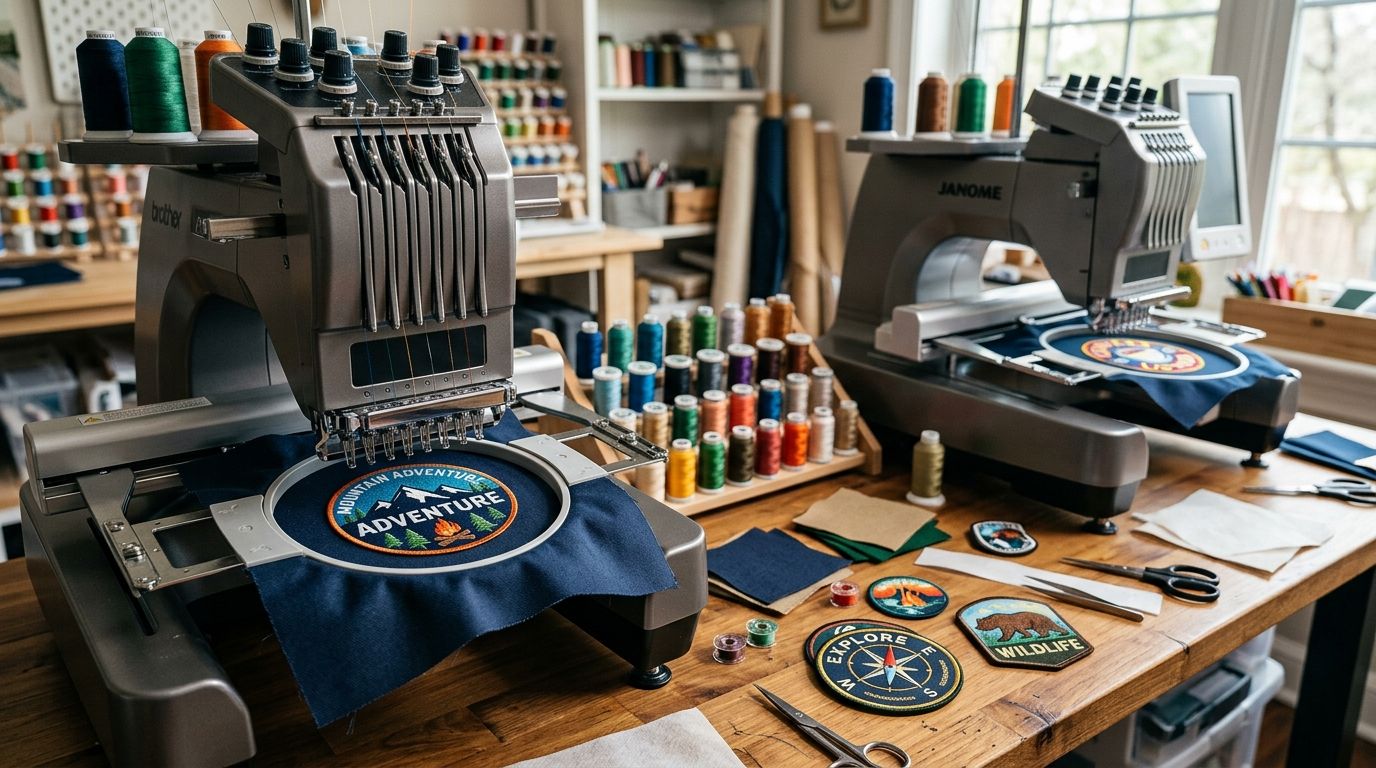
The MB-7 is a 7-needle machine positioned between home and full commercial machines, aimed at small businesses producing appliqué-style patches with multiple thread colors. Seven needles mean fewer manual color swaps than a single-needle machine without the footprint of an industrial multi-head unit.
Janome MB-7 pros:
- 7 needles reduce manual color changes on complex designs
- Smaller footprint than industrial multi-head machines
- Suited to appliqué and layered patch designs
Janome MB-7 cons:
- Hoop size still caps how large a single patch run can be
- Throughput trails true commercial multi-head systems
Best for: small operations producing appliqué or layered patch designs regularly. Verdict: Buy.
5. Melco EMT16X: best embroidery machine for patches for professional digitizers who need single-head speed
The EMT16X is a single-head commercial machine known among professional digitizers for precision on detailed borders and fine text, common on badge-style patches. It trades multi-head throughput for accuracy on designs where a crooked stitch is more noticeable.
Melco EMT16X pros:
- Precision suited to detailed borders and small text
- Reliable for professional digitizing workflows
- Compact footprint compared to multi-head industrial rigs
Melco EMT16X cons:
- Single head limits throughput on bulk orders
- Best paired with an experienced digitizer, not a beginner workflow
Best for: professional shops prioritizing stitch precision over raw volume. Verdict: Buy for precision work, Hold if volume is your main constraint.
Get your patch design digitized right
Send your artwork and get a stitch file matched to your machine.
How we ranked these machines
Every machine above was scored against the same six criteria: needle count, hoop size, single-head versus multi-head throughput, chenille or specialty stitch support, file format compatibility, and whether it depends on outside digitizing files or runs its own library. No machine won every category — that's the point of a ranked list instead of a single "best" pick.
Which embroidery machine for patches should you choose?
If you're undecided, the Ricoma EM-1010 is the safest default for 2026: enough needles to handle multi-color logos, enough hoop range for standard patch sizes, and commercial-grade build without the footprint of a Tajima multi-head system. Drop to the Brother PE800 only if you're still testing designs before committing to volume, and step up to Tajima TMEZ only once your order counts justify an industrial footprint.
FAQ
What's the best embroidery machine for patches in 2026?
The Ricoma EM-1010 is the best embroidery machine for patches for small businesses in 2026, thanks to its 10-needle single head and commercial-grade hoop range. Beginners are better served by the Brother PE800; high-volume shops need Tajima's multi-head TMEZ line.
Is a home embroidery machine good enough for custom patches?
A home machine like the Brother PE800 works fine for testing patch designs or low-volume runs. Once orders scale past a few dozen patches a week, a commercial single-head or multi-head machine becomes faster and more consistent.
How many needles do I need for patch embroidery?
Seven to ten needles, like the Janome MB-7 or Ricoma EM-1010, cover most multi-color patch designs without constant manual thread changes. Single-needle machines work but slow down on designs with more than two or three colors.
Do I need a digitized file before using any of these machines?
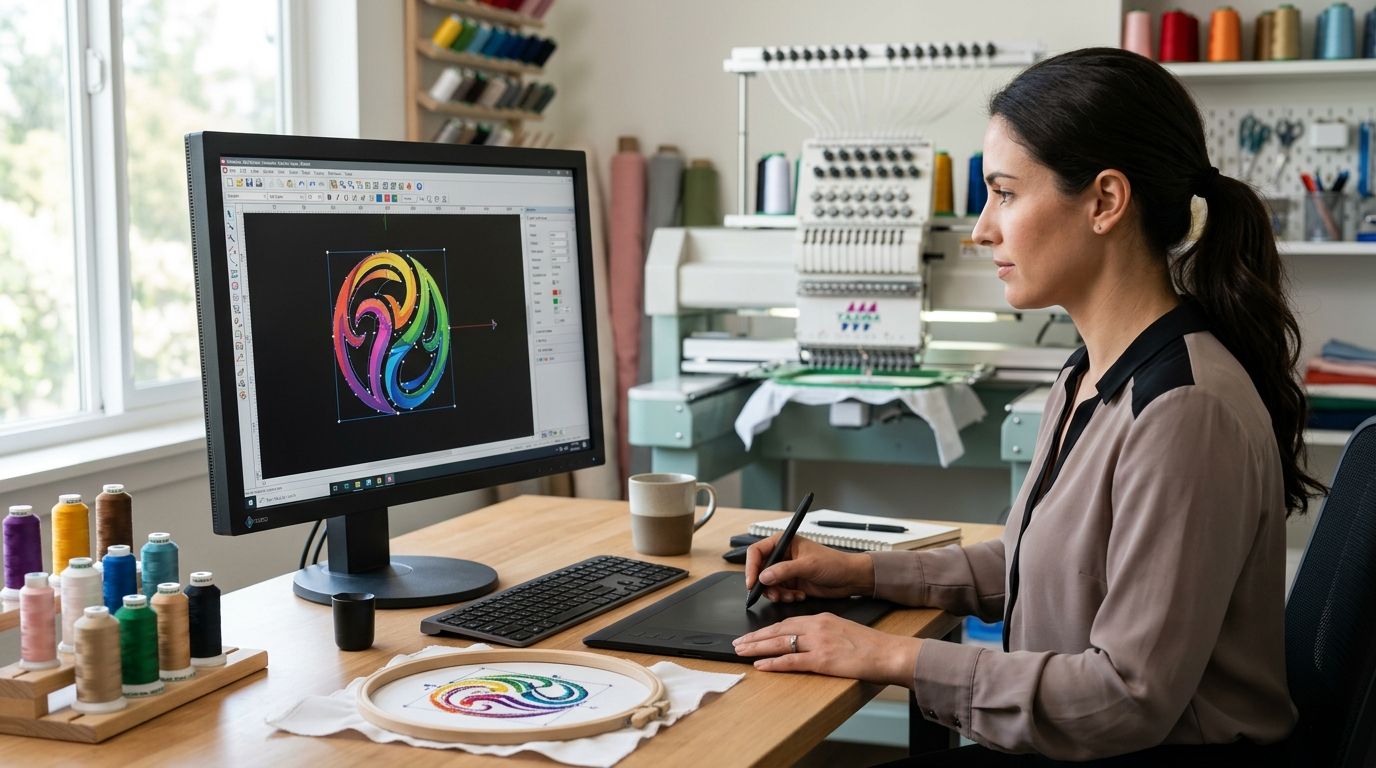
Yes. Every machine in this list, from the Brother PE800 to the Tajima TMEZ, needs a stitch file created through embroidery digitizing before it can sew a design. The machine reads the file; it doesn't design the patch for you.
What file format do commercial embroidery machines use for patches?
Commercial machines commonly read DST, EXP or PES formats depending on the brand's software. Confirm which format your digitizer delivers before choosing a machine so the files load without conversion issues.
Can these machines make chenille patches?
Standard single-head and home machines on this list are not built for chenille without an added chenille attachment. Chenille patches typically require a dedicated head or module, so check with the manufacturer before assuming standard hardware supports it.
Is Tajima better than Ricoma for patches?
Tajima's TMEZ multi-head systems outproduce Ricoma's single-head EM-1010 on high-volume orders, but the EM-1010 fits small business budgets and space better in 2026. The right choice depends on your order volume, not raw machine capability.
How much does embroidery digitizing cost for patch designs?
Digitizing costs vary by design complexity, stitch count and turnaround speed. Check current pricing directly with your digitizer before ordering a batch of stitch files.
One last thing
None of the five machines above handle chenille patches out of the box — that texture needs a dedicated chenille head or attachment regardless of brand, which surprises a lot of first-time patch buyers in 2026. Before you buy a machine for a specific patch style, confirm the attachment exists for that model, not just that the base machine is capable.
And whichever machine you land on, the file matters as much as the hardware. A breakdown of what embroidery digitizing costs is worth reading before you budget for your first production run in 2026.